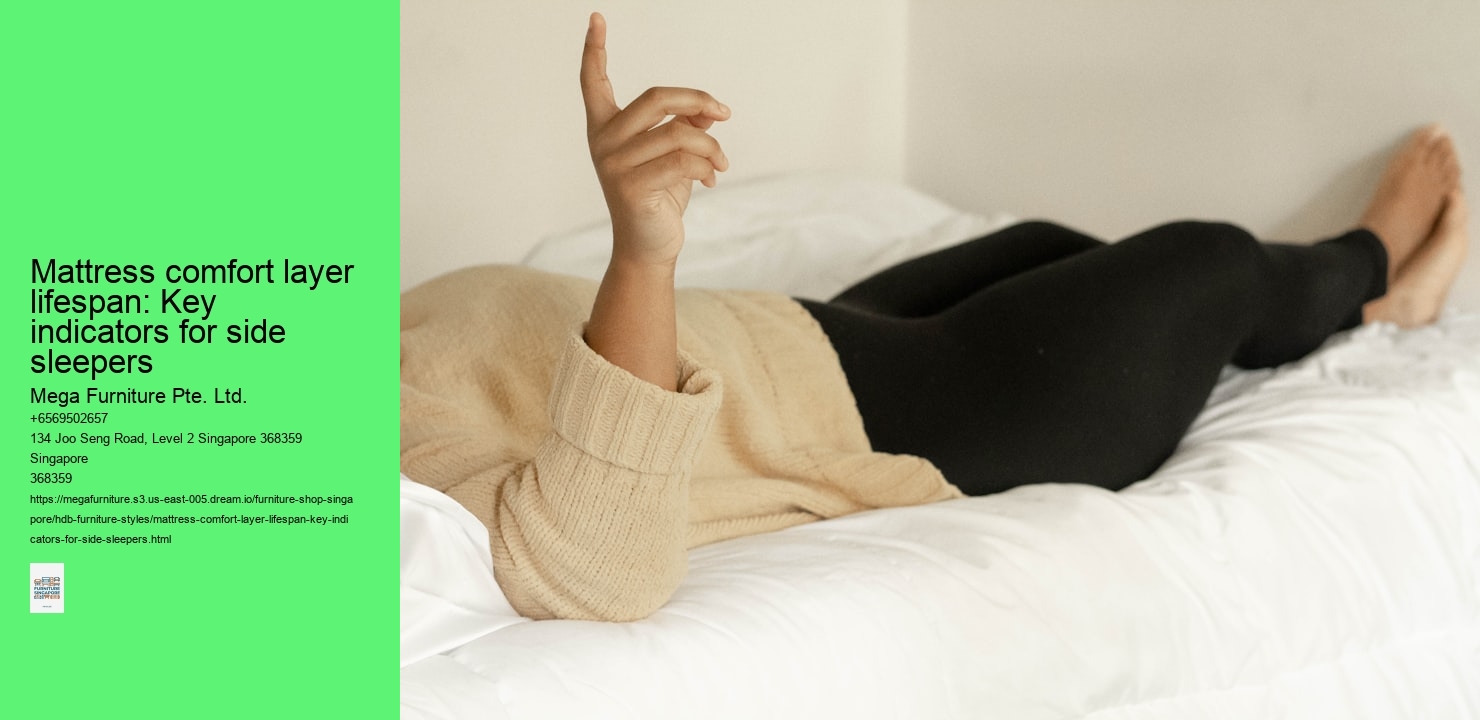
You’ll notice it on a quiet Saturday morning, when you’re smoothing out the fitted sheet and your palm dips into a shallow, body-shaped hollow where your hip rests every night. That’s not just the mattress settling in—it’s the first real sign the comfort layer is wearing out. For side sleepers, this softening happens in the zones that take the most pressure, usually the shoulder and hip areas, and it’s a material fatigue issue, not a temporary break-in.
Memory foam and latex layers are designed to cradle those pressure points, but the constant compression from your body weight, night after night in our humid climate, takes a toll. The foam cells lose their ability to fully rebound. What starts as a gentle contour that relieves your shoulder can, over time, become a permanent slump that throws your spine out of line. You’ll feel it as a slight but stubborn ache that wasn’t there before, a clue that the support underneath is starting to change.
Now, a small dip in the middle of a shared Queen bed after many years is one thing—that’s general wear. But a distinct, asymmetrical indent that maps perfectly to one sleeping position is a specific signal. It tells you the top comfort material has done most of its work. The core support might still be intact, but that critical pressure-relieving layer is fatigued. You’re no longer getting the proper cushioning your joints need.
The only time this isn’t a red flag is in the first few months of owning a quality mattress. A slight initial impression as the materials adapt to your body is normal. But if that indent deepens past a certain point, or you start feeling the firmer base layer through the soft top, then it’s not adapting anymore—it’s giving up. For side sleepers, that contour is everything; once it loses its resilience, the mattress has lost its primary job for you.
That initial cushioning is the whole point for a side sleeper. You’re not just buying a flat surface; you’re investing in a system that cradles your shoulder and hip, keeping your spine in a neutral line. That top layer—the memory foam, the latex, the plush pillow-top—is what makes a medium-firm mattress actually work for you. It’s the difference between sleeping *on* a mattress and sleeping *in* it. But here’s the thing nobody tells you while you’re doing the ten-minute lie-down test in a showroom: that comfort layer has a lifespan. It’s a consumable component, and when it goes, the entire mattress dynamic changes.
What happens is simple but brutal. The degraded foam or padding loses its resilience. Instead of contouring and gently yielding, it compacts permanently. Your shoulder and hip no longer sink into a supportive pocket; they press straight through the collapsed material until they meet the unyielding support core below. That’s the shift from pressure relief to a literal pressure point. You’re essentially sleeping on a board with a thin, worn-out cloth over it. For pregnant women who are advised to sleep on their left side to aid circulation, this failure isn’t just uncomfortable—it can make the recommended position feel impossible, adding unnecessary strain during a time when rest is critical.
The tell-tale sign is morning pain. You don’t feel it much when you first lie down, tired and ready to sleep. The real evidence arrives with the dawn: a deep, localised ache in the shoulder you slept on, or a pins-and-needles numbness in your arm. It’s your body reporting a structural failure. You might find yourself constantly shifting, trying to find a soft spot that isn’t there anymore, which fragments your sleep. Don’t dismiss it as just getting older or a bad pillow—though those can contribute. When that specific shoulder or hip pain is a new, persistent guest every morning, your mattress is sending a bill for services it can no longer provide.
Replacing the whole mattress is the definitive fix, but it’s a major purchase. Some will try a mattress topper as a stopgap, and for a short while, it can help. But understand this: a topper is just adding a new, thin comfort layer on top of a failed one. It doesn’t address the underlying compaction. The support transition is still compromised, and you’ll often find the problem returns faster than you’d expect. The only time I’d consider a topper a viable solution is if the mattress itself is still relatively new and the comfort layer has prematurely compacted due to a defect—a scenario where a warranty claim might be your first port of call. Otherwise, that morning ache is your cue to start looking.
That memory foam layer you sink into acts like a sponge in our weather. It's pulling moisture from the air all year round, not just during the monsoon season. This constant absorption changes the foam's internal structure on a microscopic level. The material becomes heavier and less springy over time, which directly impacts how it cradles your shoulder and hip. You won't notice it day-to-day, but the slow transformation is relentless. The plush feel that made it perfect for side sleeping gradually turns sluggish.
Think about the bounce-back after you get up in the morning. In a dry climate, the foam rebounds quickly, ready to contour again the next night. With humidity, that recovery gets slower and less complete. The foam stays slightly compressed, creating shallow body impressions that deepen with each passing month. For a side sleeper, this means the crucial pressure relief zones for your hips and shoulders lose their effectiveness faster. That supportive cradle you paid for has a shorter prime.
Ventilation is the unsung hero in this whole equation. Many older HDB bedrooms, especially those common bedrooms around 12 sqm, have only one window. If it's blocked by a wardrobe or you keep it shut for the air-con, you're trapping all that damp air around the bed. The mattress can't breathe, so the moisture it absorbs has nowhere to go. This stagnant, humid microclimate around your bed accelerates the breakdown process dramatically. It's not just the whole-flat humidity—it's the specific airlessness of your sleeping space.
This isn't just about the top foam getting softer. The persistent dampness can weaken the bond between the different layers inside the mattress. You might start to feel like you're sinking into a pit or that the mattress is developing uneven zones. For side sleepers, whose hips and shoulders apply the most concentrated pressure, this delamination can happen earlier right in those key areas. The mattress stops working as a unified supportive system. What you get instead are isolated spots that collapse, throwing your spinal alignment off.
The result is a compressed lifespan for the comfort layers you rely on. What might be a seven-year material in a temperate climate could be down to five here, maybe less in a poorly ventilated room. You're not just shopping for initial softness; you're judging how well a mattress's materials will defend against our constant 80% humidity. This is the non-obvious cost of our climate—it demands a higher quality of construction and breathability from the start. Ignoring it means replacing your pressure-relief system years before you should need to.
The mattress you tested and bought in a showroom isn't the mattress you’re sleeping on six months later. Those softer comfort layers—the memory foam or latex meant to cradle your shoulder and hip—don’t wear in uniformly. They soften where your body presses hardest, which for a side sleeper means the hip area tends to sink deeper over time. Your shoulders might still be perched on a relatively firmer section, creating a subtle but significant slope. That’s the alignment drift.
You’ll feel it before you see it. The classic sign is waking up with a persistent stiffness in the lower back, a dull ache that lingers for the first hour of the day. It’s a common complaint, especially in those first groggy moments. People often blame a long week or a bad sleeping position, but if it’s a recurring morning ritual, the mattress itself is usually the culprit. The support has gone soft where it matters most.
This isn’t about the mattress collapsing entirely. A good internal spring or base foam layer might still feel solid. The issue is isolated to the top comfort section, which has passed its performance peak for your specific sleep posture. It’s lost its ability to maintain that neutral spinal line from shoulders to hips. Think of it like a favourite running shoe—the sole might not be worn through, but the cushioning that once protected your knees is long gone. You’re running on a different platform.
So what can you do? Rotating the mattress head-to-foot can help, as it shifts where your bodyweight lands. But for a true side sleeper, that’s often a temporary fix because the pressure points are similar. The real takeaway is to monitor for that morning stiffness as a key indicator. If it starts appearing consistently after a year or so, it’s a strong signal that those comfort layers are done. You’re not just losing plushness; you’re sacrificing the fundamental alignment the mattress was chosen for in the first place. Time to start looking.
Memory foam is the one that gives you that famous hug—you sink in and it slowly moulds to your shape, which is fantastic for side sleepers feeling pressure on their shoulders and hips. That deep contouring is the main draw, but it comes with a trade-off. Over the years, the spots where you sleep most will compress more than the rest, creating permanent body impressions. That’s the wear pattern you’re signing up for: a mattress that starts to fit you perfectly but ends up feeling uneven. In a 4-room BTO master bedroom, where the same two people are sleeping in the same spots night after night, those impressions can become pronounced faster than you’d like.
Natural latex, on the other hand, pushes back with a buoyant, springy resilience. It cushions your pressure points without letting you sink too deeply, offering a more consistent support surface over time. You won’t get that same initial “ahh” moment of melting into the bed, but you also won’t wake up feeling stuck in a pit. The feel is bouncier and cooler, which some find refreshing and others find less cradling. Its wear pattern is different—it tends to soften uniformly across the whole surface rather than forming specific dips, so the lifespan often stretches longer before the comfort layer feels spent.
For the majority of side sleepers, the choice leans toward memory foam for that immediate pressure relief. It’s the right call if your priority is minimising shoulder and hip ache from the first night. Just know you’re trading some long-term flatness for that short-term comfort. The only time I’d steer you toward latex is if you tend to sleep hot or if you shift positions a lot during the night—the quicker response and better airflow can be a game-changer. That, or if the idea of permanent body impressions in your mattress just sian you out completely.
Ultimately, think about how you move in your sleep. A memory foam bed is forgiving for staying in one position, but if you’re a restless side sleeper who tosses and turns, latex’s push-back might help you reposition more easily. Both will do the job, but they’ll age in distinctly different ways in your bedroom.
You can spot a mattress that’s going to lose its cushioning long before it actually does. The trick is to ignore the quick bounce you get when you hop on for a few seconds. Instead, lie down in your usual side-sleeping position and stay there for a full ten minutes—it feels awkward in a showroom, but that’s the point. This gives the foam layers enough time to compress under your shoulders and hips, mimicking the sustained pressure they’ll face every night for years. When you finally get up, watch closely. Does the surface pop back to its original flat shape almost immediately, or does it linger in a shallow depression where your body was? That lingering dip is the tell. It means the foam’s resilience is already compromised, and over time, that spot will become a permanent valley, leaving you without the pressure relief you bought the mattress for.
This test is especially crucial for side sleepers because our comfort relies on those top layers being soft enough to cradle, yet resilient enough to bounce back. A mattress that feels perfect for a minute can still fail this endurance check. You’re looking for a material that remembers its shape, not one that gives up and stays deformed. For a typical Queen-size bed in a 4-room BTO, that consistent support across the entire sleeping surface is what keeps your spine aligned and prevents morning aches.
There’s a practical reason to do this in a physical showroom, too. Online reviews can’t simulate this slow, deliberate test. You need to feel the recovery yourself. And while you’re there, don’t just test one model. Try a couple from the same line to see if the quality is consistent. Sometimes a brand’s entry-level option uses a lower-density foam that might not hold up as well as their mid-range offering, even if they feel similar at first glance.
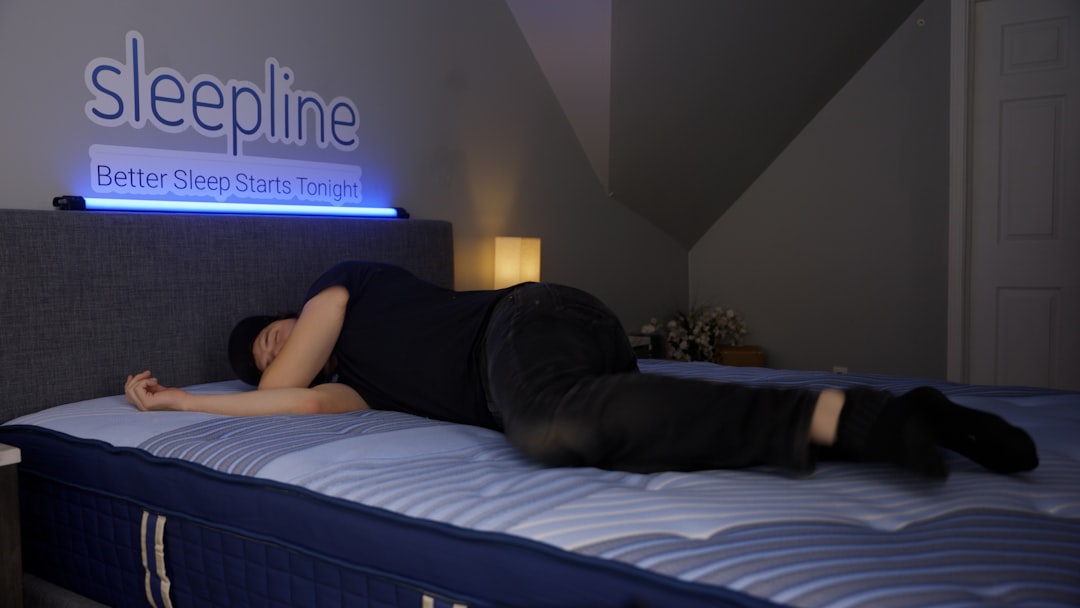
The only time I’d skip this lengthy test is if you’re absolutely certain you’re buying a mattress with a replaceable comfort layer—some designs let you swap out the top foam panel. But those are rare. For almost every mattress, what you sink into on day one is what you’ll have for the next eight to ten years. If it can’t recover its shape in a controlled showroom environment after a brief ten-minute load, it’s not going to magically improve in your humid bedroom. That slow recovery is a preview of a premature sag, and for side sleepers, that’s a deal-breaker.
A mattress for side sleepers relies on quality comfort layers to contour and relieve pressure. Foam density is critical—it determines how long the cushioning holds its supportive shape against nightly shoulder and hip compression. Look for medium-soft to medium firmness with thicker memory foam or latex layers designed specifically for this sleep position, ensuring they don't break down prematurely.
You’ll see it all the time—buyer expecting a mattress to last ten years in our climate, then wondering why their shoulder is aching after five. That assumption about lifespan is often where the trouble starts.
How long should a side sleeper mattress last in Singapore humidity? Honestly, the eight- to ten-year figure you hear is for ideal, dry climates. Here, with humidity often around 80% plus, the softer comfort layers that cushion your hips and shoulders break down faster. You might get five to seven good years before pressure relief noticeably drops, even from a good one.
Can a mattress topper extend mattress life for side sleepers? It can, but only if you catch the wear early. A topper adds a fresh comfort layer, but it’s just a temporary buffer over a core that’s already compressing. Once the support foam underneath sags, a topper won’t fix your alignment—you’re just masking the problem.

Is hip pain a sign of mattress wear or wrong firmness? For a side sleeper, it’s usually wear. That initial medium-soft feel that was perfect can turn into a hammock over time, letting your hip sink too far. Wrong firmness you’d notice almost straightaway; wear creeps up after years of nightly pressure on the same spots.
Do mattress warranties cover sagging comfort layers? Rarely. Most warranties are for manufacturing defects, not the gradual softening that comes from normal use. They’ll often have a “sagging only if it’s deeper than X inches” clause, which is hard to prove and measure. Don’t bank on it—treat the warranty as a bonus, not a lifespan guarantee.
" width="100%" height="480">Mattress comfort layer lifespan: Key indicators for side sleepersBefore you decide, you need to do a final audit on your current mattress. Start by timing your shoulder pain. Does it creep in after an hour, or is it sharp the moment you lie down? That’s a clear signal the pressure relief has gone. Next, take a ruler and measure the dip depth where your hips sink in. If it’s more than 2cm, the comfort layers are likely compressed beyond recovery. You’ll find this especially telling in a Queen-size mattress, where one sleeper’s zone can degrade faster than the other.
Also, consider partner disturbance. A mattress nearing its end often transfers more motion—you might notice your partner shifting more than before. That increased transfer isn’t just annoying; it indicates the materials have lost their ability to isolate movement, a core function for side-sleepers who need stability. If you’re waking each other up, that’s another checkmark against the old bed.
Then, cross-reference with age. In our climate, material lifespans aren’t generous. Memory foam or latex comfort layers in a humid environment typically last around seven to eight years before they start to significantly soften and lose support. If your mattress is past that mark, and you’re feeling the pain, it’s time. The only exception is if you’ve had exceptional care—consistent use of a mattress protector and a dehumidifier in the room—but even then, the signs from your body are the ultimate gauge.
So, if your shoulder pain starts within minutes, the ruler shows a deep valley, your partner’s movements now ripple across, and the mattress age aligns with our local material lifespan, the verdict is clear. You’ve got all the data you need to move forward without hesitation.